
Boost Your Testosterone Naturally Through Smart Nutrition
Discover how proper diet and strategic nutritional choices can support healthy testosterone levels and overall vitality. Our editorial platform provides evidence-based insights on nutrition, hormonal balance, and dietary strategies backed by modern nutritional science.
The information on this site is for educational purposes only and does not constitute medical advice. Always consult a qualified healthcare professional before making health decisions.
Welcome to Potencynutriflow Editorial Hub
Potencynutriflow is an independent editorial platform dedicated to exploring the intersection of nutrition, hormonal health, and lifestyle optimization. Our team of experienced writers and nutritional researchers provides in-depth articles, evidence-based guides, and expert perspectives on how dietary choices impact testosterone levels and overall male wellness.
Based in Yogyakarta, Indonesia, we serve readers across the region who are interested in understanding nutritional science without marketing hype. Our content focuses on practical insights, peer-reviewed research, and actionable dietary strategies grounded in modern nutritional understanding.
Learn More About Us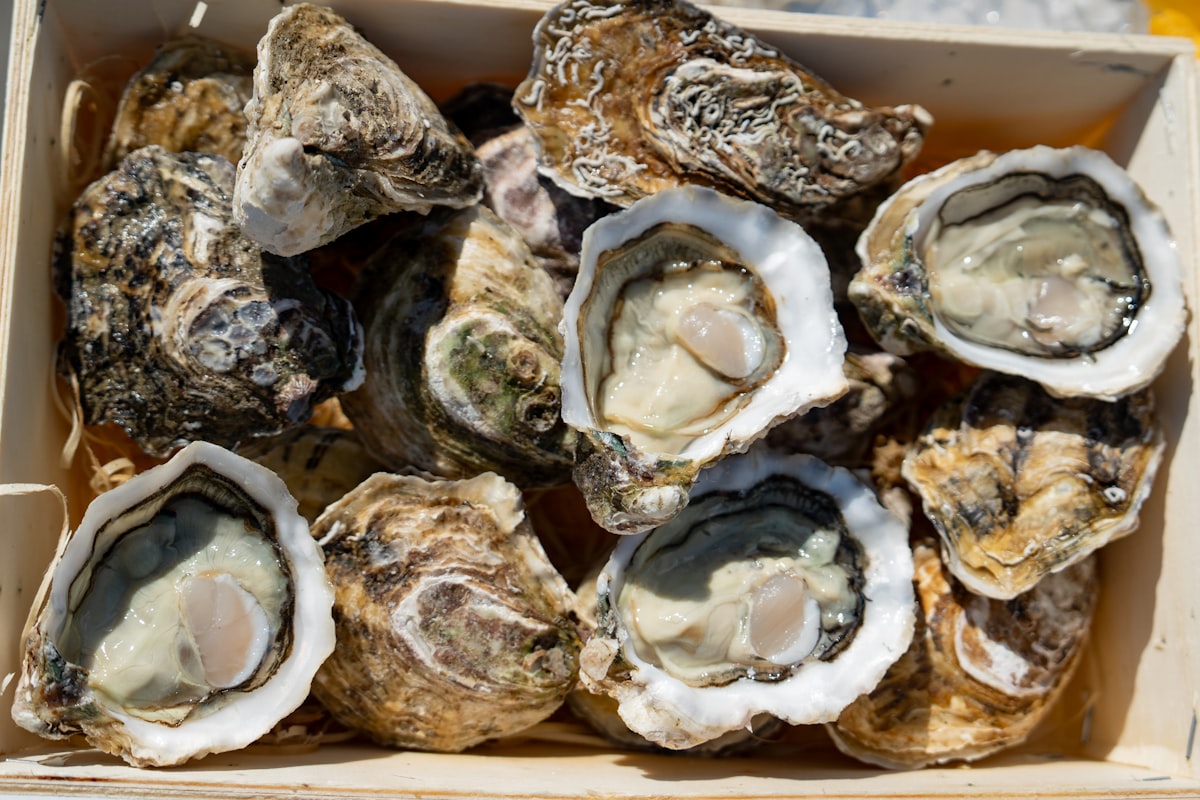
Key Nutrients That Support Hormonal Balance
Understanding which nutrients play crucial roles in testosterone production and overall hormonal health is the foundation of effective dietary strategies.
Zinc
One of the most critical micronutrients for testosterone production. Zinc supports the pituitary gland and helps regulate hormonal signaling. Found in oysters, beef, pumpkin seeds, and legumes.
Magnesium
Involved in over 300 enzymatic reactions including testosterone synthesis. Magnesium deficiency is linked to lower hormone levels. Sources include dark leafy greens, nuts, seeds, and whole grains.
Vitamin D
Functions as a steroid hormone and influences testosterone production. Research indicates adequate vitamin D levels support healthy testosterone ranges. Sunlight exposure and fatty fish are primary sources.
Healthy Fats
Cholesterol serves as the precursor for testosterone synthesis. Healthy fats from olive oil, avocados, fatty fish, and nuts support hormonal production and nutrient absorption.
Selenium
A trace mineral essential for thyroid function and antioxidant protection. Selenium supports healthy testosterone metabolism. Brazil nuts, fish, and eggs are excellent dietary sources.
Complete Proteins
Amino acids are building blocks for hormone production. Complete proteins containing all nine essential amino acids support testosterone synthesis and muscle development. Include lean meats, fish, and plant proteins.

The Science Behind Dietary Testosterone Support
Testosterone production is a complex physiological process regulated by the hypothalamic-pituitary-gonadal axis. While genetics play a significant role, numerous nutritional factors directly influence testosterone synthesis, metabolism, and bioavailability. Emerging research demonstrates that specific dietary patterns and micronutrient profiles can support healthy testosterone ranges within the normal physiological spectrum.
The role of cholesterol as a testosterone precursor, the involvement of zinc in gonadotropin signaling, and magnesium's participation in androgen receptor function are well-documented in nutritional and endocrinological literature. Additionally, lifestyle factors such as adequate calorie intake, sleep quality, and stress management work synergistically with proper nutrition to support optimal hormonal function.
Our editorial team reviews peer-reviewed research, clinical studies, and expert perspectives to translate complex endocrinology into practical, evidence-based dietary guidance for our readers interested in supporting their hormonal health through nutrition.
Explore Our Nutrition GuidePractical Dietary Strategies for Hormonal Support
Implementing these evidence-based nutritional approaches can help create an environment conducive to healthy testosterone levels.
Protein Optimization
Consume 1.6–2.0 grams of protein per kilogram of body weight daily from diverse sources including lean meats, fish, eggs, legumes, and plant-based proteins. Adequate protein supports testosterone production and muscle preservation.
Micronutrient Focus
Prioritize foods rich in zinc, magnesium, selenium, and vitamin D through whole foods first, then consider supplementation gaps. Include oysters, pumpkin seeds, leafy greens, nuts, fatty fish, and fortified foods.
Caloric Balance
Severe caloric restriction suppresses testosterone levels. Maintain moderate, sustainable nutrition aligned with your activity level. Avoid extreme diets that deprive the body of essential nutrients.
Carbohydrate Timing
Include complex carbohydrates around training sessions to support energy and recovery. Whole grains, oats, sweet potatoes, and legumes provide sustained energy while maintaining hormonal stability.
Healthy Fat Intake
Include 20–30% of total calories from healthy fats, including omega-3 fatty acids. Olive oil, avocados, fatty fish, nuts, and seeds support hormone production and reduce inflammation.
Sleep & Recovery
Quality sleep (7–9 hours nightly) is critical for testosterone production. Nutrition alone cannot compensate for poor sleep. Maintain consistent sleep schedules and reduce artificial light exposure before bed.
Reader Testimonials and Feedback
Our readers share how our nutritional guidance has helped them understand and optimize their dietary approach to hormonal health.
"The detailed articles on micronutrient roles in testosterone production completely changed how I approach my nutrition. I finally understand why certain foods matter and how they work physiologically. The science-based approach without marketing hype is exactly what I was looking for."
Budi Santoso
Jakarta, Indonesia
"As a fitness enthusiast, I've read countless articles about testosterone and diet. Potencynutriflow stands out because they cite research and explain the mechanisms. Their nutrition guide helped me align my eating patterns with my training goals in a way that actually makes physiological sense."
Romi Wijaya
Surabaya, Indonesia
"I appreciated how the team breaks down complex endocrinology into practical, actionable dietary strategies. The FAQ section answered questions I didn't even know I had about zinc absorption, magnesium timing, and fat intake. This is honest, evidence-based information."
Adi Prakoso
Bandung, Indonesia
"The editorial team clearly invested time in researching and presenting information accurately. No exaggerated claims, no magic supplements—just solid nutritional science. I've recommended Potencynutriflow to several friends interested in understanding hormonal health through diet."
Dino Setiawan
Medan, Indonesia
Your 4-Week Nutrition Transformation Journey
A practical framework for implementing dietary changes to support hormonal health and overall vitality.
Week 1: Assessment & Foundation
Begin by evaluating your current nutrition and identifying deficiencies in zinc, magnesium, vitamin D, and selenium. Start incorporating more whole foods, reduce processed foods, and establish consistent meal timing. Focus on adding one protein source per meal and tracking basic macronutrient intake.
Key action: Create a simple food log, research your baseline micronutrient sources, read our nutrition guide.
Week 2: Strategic Implementation
Implement targeted food changes: add zinc-rich oysters or pumpkin seeds, increase leafy greens for magnesium, incorporate fatty fish for omega-3s and vitamin D. Establish a sleep schedule targeting 7–9 hours nightly. Plan meals around training sessions if you exercise regularly.
Key action: Create meal templates, establish sleep routine, begin exercise pattern if applicable.
Week 3: Optimization & Adjustment
Fine-tune your nutrition based on how you feel. Adjust calorie and macronutrient intake if needed, explore micronutrient gaps that food alone may not cover, and refine meal timing. Continue monitoring sleep quality and stress levels, as these significantly impact hormonal balance.
Key action: Evaluate energy levels, adjust portions and timing, explore supplementation if needed, consult our FAQ.
Week 4: Consolidation & Long-term Strategy
Solidify the habits you've built and establish a sustainable long-term nutrition approach. Review which dietary changes had the most positive impact on your energy, recovery, and overall well-being. Consider which aspects of the program you'll maintain permanently and develop strategies for consistency.
Key action: Assess results, consolidate habits, create personalized long-term nutrition plan, stay informed with our latest articles.
Common Questions About Testosterone and Diet
Our most frequently asked questions, answered with evidence-based insights from nutritional research.
Hormonal adaptation to nutritional changes typically requires 4–8 weeks for noticeable shifts in energy, recovery, and overall well-being. Some micronutrient deficiencies may take longer to correct. The timeline varies based on baseline nutritional status, lifestyle factors, sleep quality, and stress levels. We recommend tracking subjective markers like energy levels, mood, and exercise recovery rather than expecting dramatic changes. Consistency over 8–12 weeks provides the clearest indication of whether dietary modifications are supporting your hormonal health.
Ready to Optimize Your Hormonal Health?
Discover how Potencynutriflow's scientifically-formulated supplements combined with evidence-based nutrition strategies can support your hormonal balance and overall vitality.
What Our Customers Say
Real results from real people who've transformed their hormonal health with Potencynutriflow.
"Within 8 weeks of using Potencynutriflow combined with the recommended nutrition plan, my energy levels skyrocketed and my workout performance improved dramatically. The science-backed approach really works!"
James Mitchell
Fitness Enthusiast, USA
"As a woman over 40, hormonal balance was challenging. The targeted supplement stack with personalized dietary advice made a real difference. I feel more energized than I did years ago!"
Sarah Rodriguez
Wellness Coach, Canada
"Potencynutriflow's evidence-based approach combines quality supplements with nutritional science. The results speak for themselves—better hormonal balance, clearer skin, and sustained energy throughout the day."
David Kim
Health Professional, UK