
Optimize Your Testosterone Naturally Through Nutrition
Discover the science-backed nutritional strategies that support healthy testosterone levels through food and supplementation. Learn how the right dietary approach can enhance your vitality, strength, and overall well-being.
The information on this site is for educational purposes only and does not constitute medical advice. Always consult a qualified healthcare professional before making health decisions.
Key Nutritional Pillars
These essential dietary elements work synergistically to support optimal testosterone production and metabolic health.
Zinc-Rich Foods
Zinc is a crucial mineral for testosterone synthesis. Oysters, beef, pumpkin seeds, and cashews are excellent dietary sources that support healthy hormone levels and reproductive function.
- Supports hormone production
- Enhances immune function
- Promotes wound healing
Vitamin D Optimization
Often called the "sunshine vitamin," vitamin D plays a significant role in testosterone regulation. Fatty fish, egg yolks, and fortified dairy products provide this essential nutrient.
- Regulates hormone balance
- Improves bone health
- Supports mood and energy
Quality Fat Sources
Testosterone is synthesized from cholesterol. Avocados, nuts, olive oil, and fatty fish provide the building blocks your body needs for optimal hormone production.
- Supports hormone synthesis
- Reduces inflammation
- Enhances nutrient absorption
Cruciferous Support
Broccoli, cabbage, and Brussels sprouts contain compounds that help regulate estrogen metabolism, allowing testosterone to remain at optimal levels in the body.
- Hormone balance support
- Rich in antioxidants
- Supports liver function
Magnesium-Rich Foods
Magnesium is essential for testosterone production and muscle recovery. Pumpkin seeds, almonds, spinach, and dark chocolate are excellent dietary sources.
- Supports hormone production
- Reduces muscle tension
- Improves sleep quality
Antioxidant Protection
Berries, dark leafy greens, and colorful vegetables contain polyphenols that protect testosterone-producing cells from oxidative stress and free radical damage.
- Protects cellular health
- Anti-inflammatory benefits
- Supports cardiovascular function
The Science Behind Dietary Testosterone Support
Testosterone production is a complex biochemical process that depends on adequate micronutrients, hormonal signaling pathways, and metabolic health. Unlike synthetic interventions, dietary approaches work with your body's natural endocrine system to support optimal hormone levels.
Research consistently demonstrates that deficiencies in zinc, vitamin D, magnesium, and selenium correlate with reduced testosterone levels. Similarly, excess body fat and poor dietary patterns can impair hormone synthesis and increase conversion to estrogen.
The Potencynutriflow approach integrates evidence-based nutritional science with practical meal planning. By focusing on whole foods rich in testosterone-supporting nutrients, you create an environment where your body can maintain healthy hormone levels naturally.
Learn More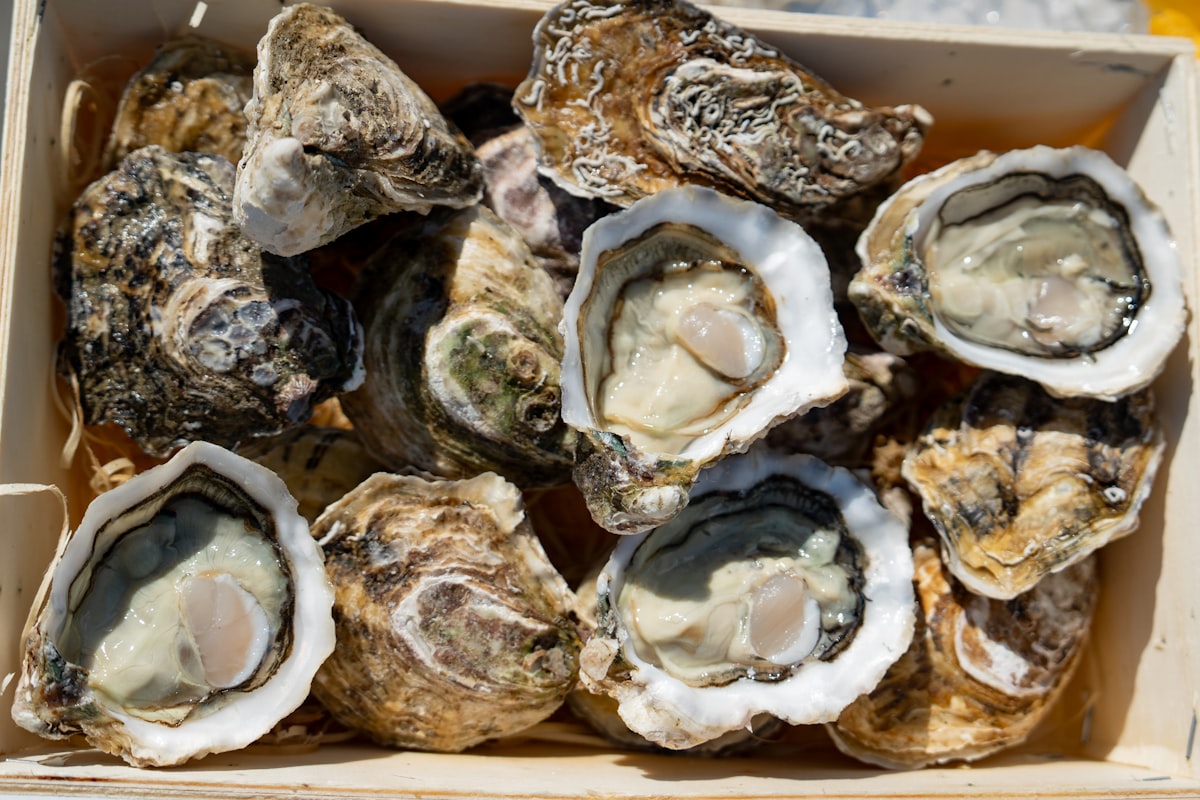
Your Dietary Transformation Journey
A strategic approach to building testosterone-supporting eating habits.
Assess Your Current Intake
Begin by evaluating your existing diet. Track which testosterone-supporting nutrients you may be lacking. Common deficiencies include zinc, vitamin D, and magnesium—often due to processed food consumption and limited whole food variety.
Build Your Food Foundation
Introduce key testosterone-supporting foods gradually. Start with easy wins: add more eggs, fatty fish, nuts, and leafy greens. Focus on whole, unprocessed foods that provide multiple micronutrients per serving.
Optimize Meal Timing and Composition
Structure meals to balance protein, healthy fats, and micronutrients. Distribute zinc and magnesium intake throughout the day. Pair vitamin D-rich foods with fat-containing meals to enhance absorption.
Monitor and Adjust Long-Term
Track how dietary changes affect your energy, strength, and overall vitality over weeks and months. Adjust portions and food combinations based on personal response. Consistency matters more than perfection.
Why Dietary Support for Testosterone Matters
Understand the advantages of working with your body's natural systems.
Whole-Food Nutrition Approach
-
Natural Source Synergy
Whole foods provide testosterone-supporting nutrients plus cofactors that enhance absorption and function.
-
Metabolic Adaptation
Your body learns to utilize nutrients efficiently, building sustainable hormone support rather than acute spikes.
-
Long-Term Sustainability
Food-based strategies are easier to maintain as lifestyle habits compared to supplement-only approaches.
-
Improved Overall Health
Nutrient-dense foods support multiple body systems simultaneously—immune function, cardiovascular health, cognition.
Balanced Hormonal Environment
-
Estrogen Metabolism Support
Cruciferous vegetables and fiber help maintain optimal estrogen-to-testosterone ratios naturally.
-
Insulin Sensitivity
Whole foods improve insulin response, which supports healthy testosterone production and metabolic health.
-
Reduced Inflammation
Anti-inflammatory foods protect the endocrine system and optimize signaling between hormone-producing glands.
-
Sleep and Recovery Support
Magnesium and other micronutrients in whole foods enhance sleep quality, essential for testosterone synthesis.
Common Questions About Diet & Testosterone
Answers to frequently asked questions about nutritional support.
Nutritional optimization typically shows effects over 4-12 weeks. Micronutrient absorption and hormonal adaptation take time. Some improvements in energy and recovery may be noticed within 2-3 weeks, while hormonal markers often require 8-12 weeks of consistent dietary changes to reflect measurable shifts.
Diet is foundational, but works best alongside other lifestyle factors: regular strength training, adequate sleep (7-9 hours), stress management, and maintaining a healthy body composition. Comprehensive wellness—not diet alone—optimizes testosterone. Nutrition provides the building blocks; exercise and recovery signal your body to utilize them effectively.
Most testosterone-supporting nutrients have multiple food sources. If allergic to shellfish (zinc), substitute beef, pumpkin seeds, or legumes. Cannot eat eggs? Use fatty fish or fortified dairy. Our nutrition guide includes substitution options for common allergies and dietary preferences—vegetarian, vegan, and gluten-free alternatives are available for every nutrient category.
Strategic supplementation complements whole-food nutrition. Vitamin D supplementation is often necessary in regions with limited sun exposure. Magnesium and zinc bioavailability from food varies by individual. A personalized approach evaluates your baseline dietary intake and testing results. Supplements fill specific gaps when food sources alone cannot meet needs.
Excess body fat increases aromatase enzyme activity, converting testosterone to estrogen. Maintaining a healthy body composition through balanced nutrition and exercise is critical. This doesn't require extreme restriction—moderate calorie balance with adequate protein supports both muscle maintenance and hormone optimization simultaneously.
Focus on reducing ultra-processed foods, excess alcohol, and high-sugar items, which promote inflammation and hormonal dysregulation. Excessive soy is sometimes debated, though moderate consumption is fine for most people. Trans fats should be avoided. Rather than "forbidden" foods, the approach emphasizes eating *more* of nutrient-dense whole foods—abundance over restriction.
Real Results From Real People
Readers share how nutritional optimization has enhanced their energy, strength, and overall vitality.
"After following the nutrition guide for 8 weeks, my energy levels dramatically improved. I'm lifting heavier than I have in years, and recovery is noticeably faster. The practical meal suggestions made it easy to stay consistent."
Raka Wijaya
Bandung, Indonesia
"I was skeptical about 'just diet,' but the science explained here made sense. Three months in, my morning energy is back, workouts feel stronger, and I actually enjoy the food recommendations. This is sustainable."
Budi Santoso
Jakarta, Indonesia
"The specific nutrients explained and how to get them from food was exactly what I needed. My gym performance improved, and I feel sharper mentally too. The whole-food approach feels natural and permanent."
Agus Hermawan
Surabaya, Indonesia
Ready to Transform Your Health?
Join thousands who've discovered the power of nutrient-dense whole foods. Get exclusive tips, recipes, and science-backed guidance delivered to your inbox.
Privacy guaranteed. Unsubscribe anytime.
Frequently Asked Questions
Start Your Nutrient-Rich Journey Today
Discover the science of whole-food nutrition. Unlock your potential with Potencynutriflow—your guide to lasting health, performance, and vitality.
No credit card required • Join 10,000+ members
Potencynutriflow
Science-backed whole-food nutrition to fuel your body and mind.
Support
© 2024 Potencynutriflow. All rights reserved. Designed with for your health.